


It’s the end of June already, and that means we’re well into Hurricane Season here in Florida. Meteorologists are calling for an active season and, while they always say that, it is important to be prepared.
Here in Tallahassee, our biggest issue is usually wind damage. A few years ago, our power went out after a hurricane and didn’t come back on for five days. Thankfully, we had some food and water set aside, as well as a small generator and a gas-top stove, so we did fine.
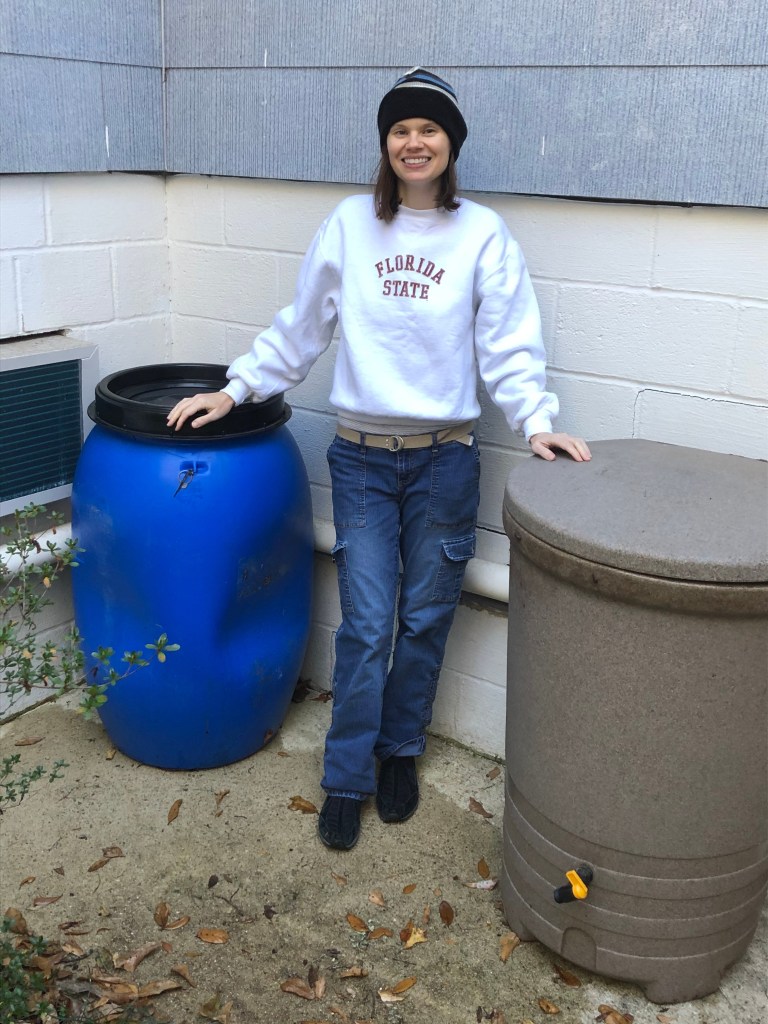

I shared this with a friend recently, and she declared that we’ll never have a problem with the city water. After all, we’ve never had a problem in the past….
I hope she’s right.
But my background is in risk management, so I tend to think of all the possible scenarios and how they might affect us, including storms, acts of terrorism, cyber attacks, riots, famines, pandemics, and (tongue-in-cheek) the ever-popular zombie apocalypse. Add to that other scenarios like unexpected job loss, monetary inflation, and government lockdowns, and it’s enough to make your head spin. How can you be prepared for it all? After all, who knew that a pandemic would result in a run on toilet paper?!
Here’s a trick I’ve learned: start by focusing on what you need, not on what may happen.
For example, you may not be able to fathom a situation in which the city’s water stops flowing. However, you do know that you need at least one gallon of water per person, per day, to survive. You also know that you need food (including baby food and pet food), toilet paper and other sanitary items, and medications. If you want to get out of Dodge, you need gas in the tank. And if a family member has a medical device that requires electricity, you need an alternate form of energy if the electricity goes out.
It’s relatively easy to make a list of all the resources we need to live and be comfortable. So make that list for every member of your household, including pets. Then stock up on those items (focusing on shelf-stable foods) to ensure you have enough for three days without having to go to the store or relying on someone else to help you. Once you have enough for three days, increase your storehouse to accommodate seven days. Then consider your local friends, family, and even neighbors. Who might need to stay with you during an emergency? Do they have supplies they can share, or will you need to provide for them?
It’s important to understand that being prepared—or “prepping”—isn’t about hording. It’s about taking responsibility for yourself and your family. Only then will you be able to help others in need.
Two other important things to consider: shelter and safety. It’s common for houses to experience roof damage during a storm, so make sure you have a couple tarps to keep out the elements. A spare tent and sleeping bags wouldn’t hurt. You should also consider some kind of home protection, especially if you end up being the only house on the block with food and water. Your house alarm may have a battery backup, but that will die eventually, and the police and emergency services may be unavailable for awhile.


Where are you in your preparedness journey? Are you just starting out? Or are you confident that you have what you’ll need if a storm hits your area this year? What about another pandemic or a job loss? I’d love to hear your feedback, so feel free to comment below.
See related posts:
Renting? Get Renters Insurance!
10 Tips to Save Big On Your Car Insurance
3 Things Every Christian Should be Prepared For
Pin it for later:

